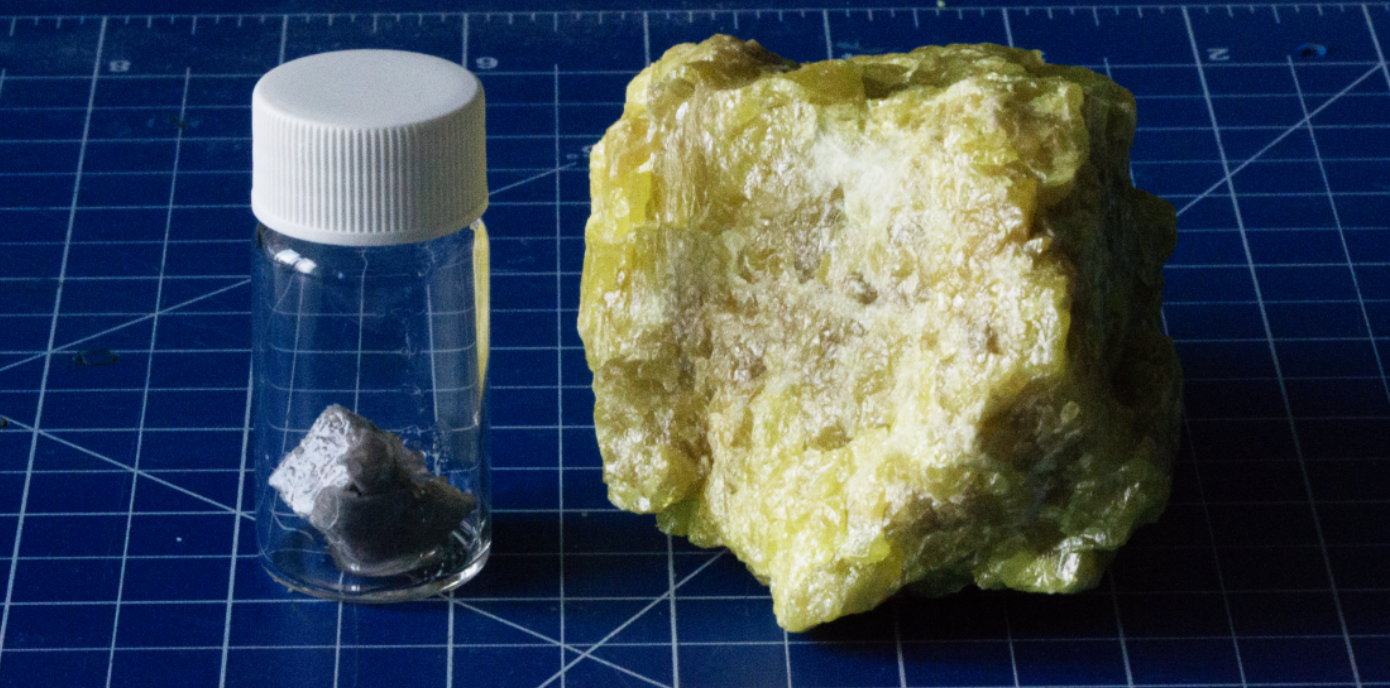
Sulfur cathodes
Exploring the Future of Sustainable Batteries with Sulfur and Potassium
As the world shifts toward renewable energy, better energy storage is essential. Batteries play a key role in powering electric vehicles, storing solar and wind energy, and keeping our electricity grids stable. To meet growing demand, next-generation batteries must be affordable, high-performing, and made from widely available materials.
One promising solution lies in sulfur-based batteries. Sulfur is abundant, low-cost, and capable of storing large amounts of energy, making it an attractive alternative to traditional battery materials. However, fully unlocking its potential requires a deeper understanding of how sulfur behaves inside a battery-especially the complex chemical reactions it undergoes during charging and discharging.
Sulfur can be combined with different metals to create advanced battery systems. While lithium–sulfur and sodium–sulfur batteries have been widely studied, potassium–sulfur (K–S) batteries are an emerging and exciting area of research. Potassium is far more abundant than lithium and still offers strong performance, making it a compelling option for more sustainable and scalable energy storage.
A key challenge in sulfur-based batteries is controlling intermediate chemical compounds called polysulfides. These species can strongly influence battery efficiency, lifetime, and stability. Understanding how they form, interact, and evolve is critical to improving battery performance.
Our research focuses on uncovering these processes in potassium–sulfur batteries. By combining advanced spectroscopy with innovative battery designs, we can observe how these reactions occur in real time and under realistic operating conditions. This allows us to better understand how different materials and environments affect battery behavior.
Through this work, we aim to build a clear scientific foundation for potassium–sulfur technology-helping to design batteries that are more stable, efficient, and practical for real-world use. Ultimately, this research supports the development of next-generation energy storage solutions that are not only high-performing, but also more sustainable and globally accessible.